
Veeam Backups
Data Recovery from a Ransomware-Encrypted Veeam File Share Backup
This real-life case illustrates how a sophisticated attack can bypass even the most robust protections, but also how expert intervention can make it possible to recover most of the data. What follows is the story of a race against time.
Imagine this: it is 10 p.m. on a Friday evening, and a company based in Seoul, a leader in the human resources sector, discovers in horror that all of its critical files have been encrypted by ransomware. These data, stored on a centralised NAS, are vital for production teams and administrative departments. Among them are Veeam NAS backup files, which were supposed to protect the company against this type of attack. Yet the cybercriminals managed to access the NAS with administrator privileges, encrypting not only business data but also the backups themselves.
Context: a critical infrastructure under attack
A centralised NAS at the heart of the business
Here is what happened: The cybercriminals exploited a vulnerability to gain access to the NAS with administrator privileges. As a result, all files, including the Veeam backups, were encrypted. The .vblob, .vindex, and .vslice extensions – essential to the operation of Veeam backups – were renamed and rendered unreadable.
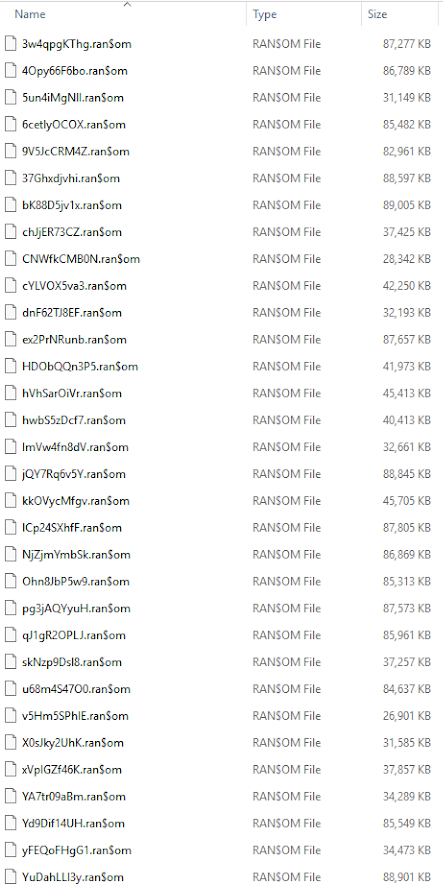
- Inability to access data: the files were encrypted and their names altered.
- Operational urgency: every hour of downtime threatened business continuity.
- Uncertainty over recovery: the backups themselves were compromised.
The challenge: recovering encrypted backups
Understanding the Veeam NAS Backup architecture
Before taking action, it is crucial to understand the structure of Veeam NAS Backup files:
- .vblob: these files contain the raw data captured from NAS share backups.
- .vindex: these are binary metadata files describing the names and versions of the backed-up files.
- .vslice: these files describe how data is allocated within the
.vblobfiles.
Without this metadata, restoration is nearly impossible. Nevertheless, the technical teams at Recoveo (our company) decided to take on the challenge.
A two-fold approach
To maximise the chances of success, two teams were mobilised:
- The “File Structure” team: responsible for rebuilding the folder and file hierarchy.
2.The “Data” team: focused on extracting and recovering the raw data.
The solution: a tailored recovery process
Step 1: Analysis of the file structure
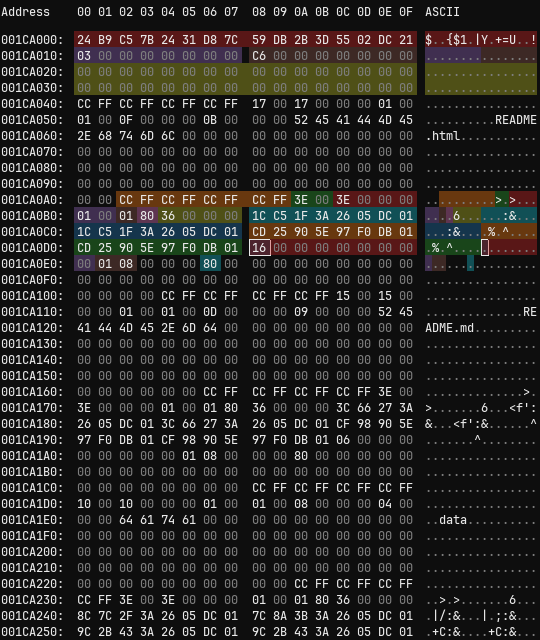
The first step involves carrying out an in-depth analysis of the encrypted file structure. Using hexadecimal analysis and reverse engineering tools, the engineers identify recurring patterns within the .vblob, .vindex, and .vslice files. This analysis makes it possible to understand how the data were organised prior to encryption.
The .vindex files contain specific headers which, once decoded, reveal information about file names and their hierarchy.
Step 2: Development of a proprietary extraction tool
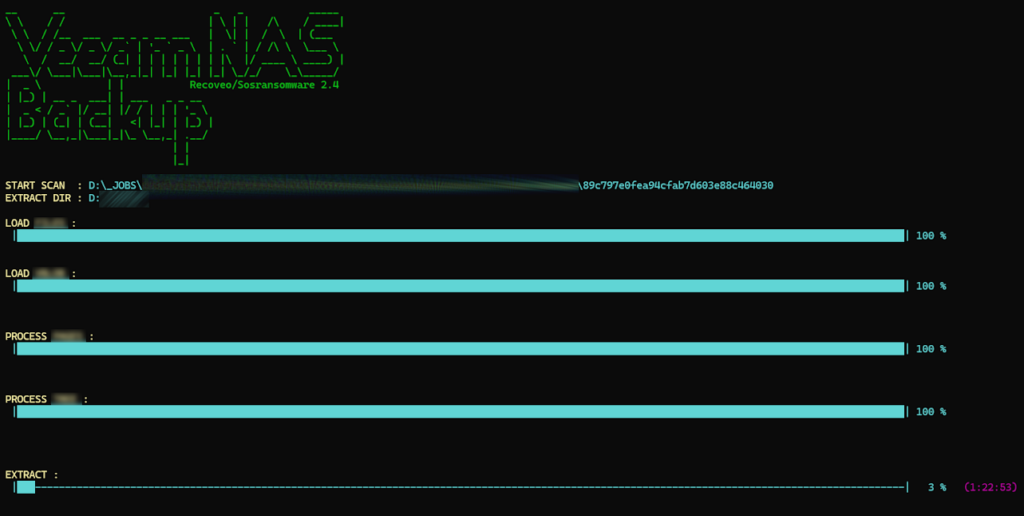
As no generic solution were proven effective, our engineers developed a bespoke tool capable of:
- Parsing metadata: extracting information from the
.vindexand.vslicefiles despite their encryption. - Rebuilding the directory structure: restoring the original folder hierarchy.
- Extracting raw data: recovering the contents of the
.vblobfiles and linking them back to their original names.
Step 3: Restoration testing
Before launching a large-scale extraction, tests were carried out on critical files (contracts, HR databases, administrative documents). These tests validated:- Data integrity: the restored files were tested to ensure they were usable and intact.
- Directory structure consistency: folders and subfolders were correctly rebuilt. The client provided a complete list of their original directory structure, allowing us to compare it with the recovered result.
Step 4: Extraction and validation
Once the tool was finalised, the extraction process was launched. Files were recovered in batches, with systematic integrity checks. A detailed list of restored files was generated, enabling the company to validate the completeness of the recovered data.Results: 93% of data successfully recovered in under one week
A success beyond expectations
Contrary to the initial forecasts, 93% of the data from the Veeam NAS Backup was recovered. This exceptional recovery rate can be explained by:- The robustness of the developed tool: capable of bypassing metadata encryption.
- Information redundancy: the
.vblobfiles contained sufficient redundancy to reconstruct a large portion of the data. - The expertise of the teams: the combination of skills in cybersecurity, software development, and data management proved decisive.